Loading...
ProteinPublished 2026-08-09
10 High-Protein Breakfast Ideas for Weight Loss and Muscle Goals
L
Lilbite Team
Lilbite editorial team
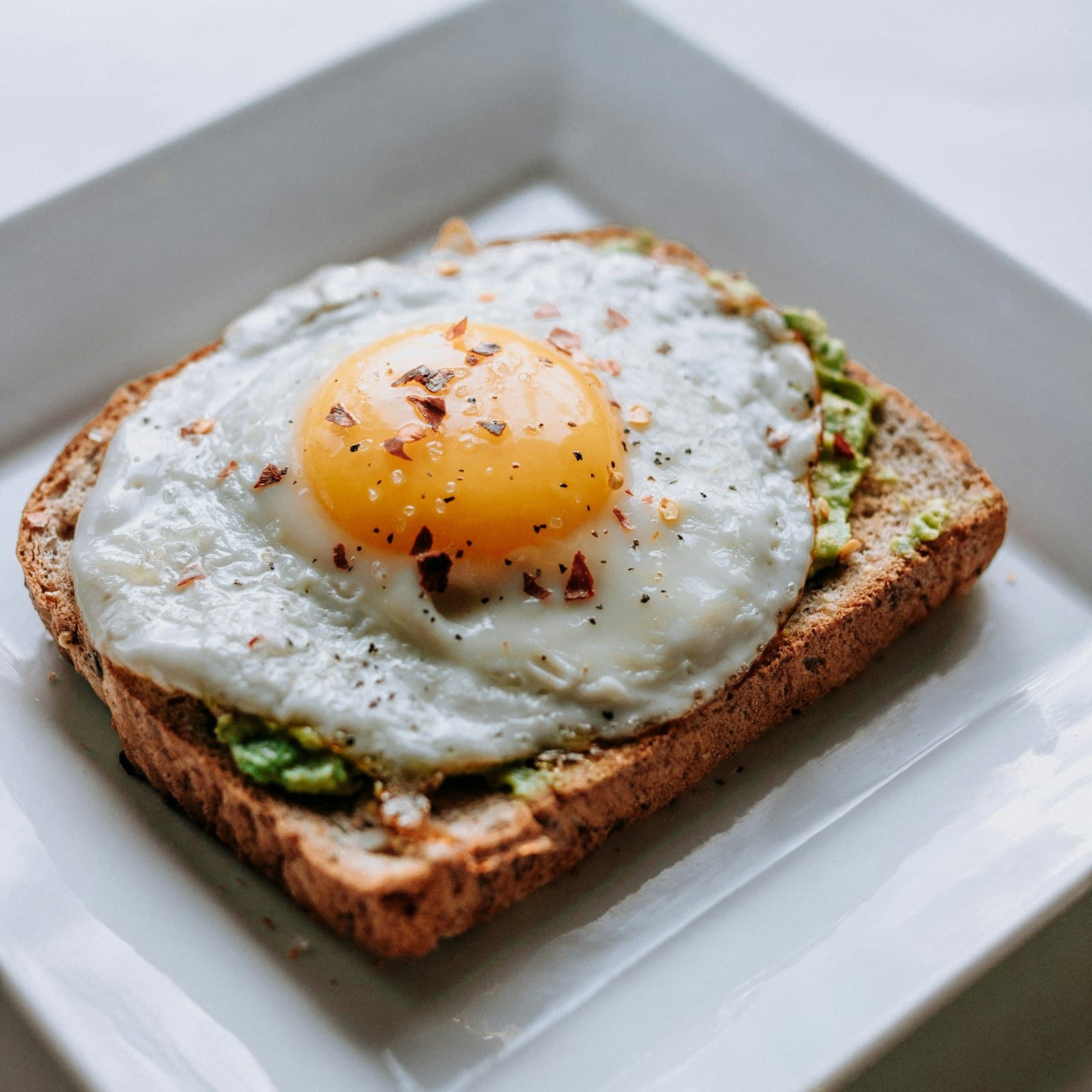
A high-protein breakfast does not have to be a giant plate of eggs or a plain shake. The best high-protein breakfast ideas are meals you can prepare, enjoy, and adjust to your calorie and macro targets. Protein can help you reach a daily goal, while fruit, vegetables, oats, whole-grain bread, and other carbohydrates make the meal feel complete.
Breakfast is not a mandatory weight-loss strategy. Some people prefer eating early, while others feel better with their first meal later. Research on breakfast and body weight is mixed, so choose the pattern that supports your energy, hunger, schedule, and training. The ideas below are for people who want a protein-centered first meal, not a rule that everyone must follow.
Brands, portions, cooking fats, and toppings can change the total, so check the label or the Lilbite food database when you need an exact entry.
How to build a high-protein breakfast
Start by choosing a protein anchor, then add a carbohydrate and produce option that suit your goal. Finish with a measured fat if the meal needs more flavor or staying power.
Useful protein anchors include:
- Greek yogurt, cottage cheese, or milk;
- eggs and egg whites;
- chicken, turkey, or salmon leftovers;
- tofu, tempeh, beans, or edamame;
- protein powder used as a convenience; and
- fortified soy products.
If you are aiming for 120 grams of protein per day, a breakfast with 25–35 grams can make the rest of the day easier. If your daily target is lower, 15–25 grams may be enough for your routine. Use the Lilbite protein calculator to set a starting range instead of copying a number from someone else’s plan.
10 high-protein breakfast ideas
1. Greek yogurt, berries, and oat bowl
Use plain Greek yogurt as the base, then add berries, oats, cinnamon, and a small portion of seeds or nut butter. The yogurt supplies protein, berries add color and fiber, and oats provide carbohydrate that can support a busy morning or workout.
To keep calories lower, use a measured amount of nut butter and let fruit add sweetness. To increase calories for muscle gain, add more oats, granola, nuts, or honey. If you use flavored yogurt, check the label because sugar and protein vary by brand.
2. Eggs, egg whites, and vegetables on toast
Combine whole eggs with egg whites, spinach, tomatoes, mushrooms, or peppers. Serve with whole-grain toast or a small potato. Whole eggs add fat and flavor, while egg whites can increase protein without adding as much fat.
This breakfast is easy to batch-cook as a frittata or egg muffin. Log cooking oil separately, since a generous pour in the pan can change the meal’s calories more than the vegetables do.
3. Cottage cheese with fruit and seeds
Cottage cheese works well with berries, peaches, pineapple, or sliced pear. Add chia, flax, or pumpkin seeds in a measured portion for texture. Choose the fat level based on your preference and daily target; lower-fat versions are not automatically better, and full-fat versions are not automatically worse.
If the texture is not appealing on its own, blend cottage cheese into a smoothie or spread it on toast. Seasoned cottage cheese with tomatoes, cucumber, and pepper is a savory alternative.
4. Tofu scramble with beans
Crumble firm tofu with turmeric, black pepper, onions, mushrooms, and peppers. Add a small serving of black beans or edamame and serve with a corn tortilla, toast, or potatoes. The combination provides plant protein, fiber, and carbohydrates in one bowl.
Pressing tofu and using a nonstick pan can improve texture without requiring a large amount of oil. If you are new to soy foods, start with a portion that feels comfortable and season it generously.
5. Overnight oats with yogurt
Mix oats with Greek yogurt, milk or fortified soy milk, chia seeds, and fruit. Leave it in the refrigerator overnight so breakfast is ready without cooking. The texture can be adjusted with extra milk, and the portion can be scaled to match your calorie target.
For more protein, use a larger yogurt portion or add protein powder. For more volume, add berries or grated apple. Keep sweeteners measured because a small spoonful can become several spoonfuls when breakfast is assembled quickly.
6. Protein smoothie with fruit and oats
A smoothie can be useful when appetite is low or time is short. Blend milk or soy milk with Greek yogurt or protein powder, a banana or berries, oats, and ice. Add spinach if you enjoy it, but do not rely on a handful of greens to turn a low-protein drink into a complete meal.
Smoothies are easy to drink quickly, so include the ingredients in your log and consider whether liquid calories keep you satisfied. If not, pair the smoothie with toast, fruit, or a meal you chew.
7. Salmon and egg toast
Top whole-grain toast with smoked or cooked salmon, an egg, tomato, cucumber, and lemon. Salmon supplies protein and fat, while the vegetables brighten the meal. Smoked salmon can be high in sodium, so balance it with lower-sodium foods across the day if that is relevant to you.
This is a good way to use dinner leftovers. A small portion of salmon with an egg can provide a meaningful protein base without requiring a full fish fillet at breakfast.
8. High-protein breakfast burrito
Fill a tortilla with scrambled eggs, beans, salsa, vegetables, and a measured amount of cheese. Add chicken, turkey, tofu, or egg whites if you want more protein. The burrito can be made ahead, wrapped, and reheated for busy mornings.
Choose the tortilla and cheese portion based on your target. If you need more volume, add lettuce, tomatoes, peppers, or a side of fruit rather than simply making the burrito larger.
9. Yogurt chia pudding
Stir chia seeds into milk and Greek yogurt, then refrigerate until thick. Add berries or kiwi and a little cinnamon. Chia contributes fiber and fat as well as texture, so a measured portion matters if you are tracking calories closely.
The pudding works as breakfast or an afternoon snack. If it feels too dense, use fewer seeds and more yogurt or fruit. If you use a plant-based yogurt, compare labels because protein content differs widely.
10. Savory oatmeal with egg and edamame
Cook oats in water or broth, then top them with an egg, edamame, spinach, scallions, and a small amount of soy sauce or chili crisp. The result is warm, filling, and different from a sweet oatmeal bowl.
Add chicken, tofu, or extra egg whites to raise protein. Use chili oil, sesame oil, or cheese as flavor accents and log them in measured portions so the bowl stays aligned with your plan.
Adjust the ideas for your goal
For weight loss
Keep the protein anchor, then add produce and a carbohydrate portion that fits your daily calories. Berries, vegetables, potatoes, oats, and whole-grain toast can make a breakfast feel larger. Measure calorie-dense toppings such as oil, nuts, nut butter, avocado, cheese, and granola rather than removing them completely.
A breakfast in the 300–500-calorie range may work for some people, while others prefer a smaller first meal and a larger lunch. Your calorie-deficit calculator can help you build the full-day target; it cannot tell you the one correct breakfast size.
For muscle gain
Increase the portions of oats, bread, potatoes, fruit, rice, or fats as needed. Add a snack if one meal becomes uncomfortably large. A breakfast with protein and carbohydrates can be especially convenient before a training session, but total daily intake and regular resistance training remain the foundation.
For a busy morning
Prepare overnight oats, boiled eggs, egg muffins, yogurt bowls, burritos, or smoothie packs ahead of time. Keep shelf-stable options such as oats, protein powder, whole-grain toast, and nut butter available, then add fruit or yogurt when possible.
Breakfast before or after a workout
There is no requirement to train fasted or to eat a perfect meal within minutes of finishing. If you feel better with food before training, choose a familiar combination of carbohydrate and protein that is easy to digest. If you prefer to train first, make your next meal complete and include protein.
Large amounts of fat or fiber immediately before intense exercise can bother some people. That is a personal response, not a universal rule. Test your breakfast during ordinary training sessions rather than the day of an important event.
How to log breakfast accurately
Breakfast can look simple but still contain easy-to-miss calories. Weigh or measure oils, spreads, granola, seeds, milk, and sweeteners when you are learning portions. If you make a recipe for several days, enter the full recipe and divide it by the number of servings.
Use the same method every day: if you log oats dry, keep logging them dry; if you weigh rice cooked, do the same for future portions. Consistency makes the numbers more useful than chasing an impossible level of precision.
For more meal ideas, explore Lilbite’s guide to protein in Greek yogurt and best pre-workout meals. You can also use the macro calculator to see how breakfast fits into the rest of the day.
Frequently Asked Questions
What is the best high-protein breakfast for weight loss?
The best option is one that gives you a useful protein serving, fits your calorie target, and keeps you satisfied. Greek yogurt with fruit, eggs with vegetables, cottage cheese, tofu scramble, and overnight oats can all work. The portion and full-day pattern matter more than a single “best” recipe.
How much protein should breakfast have?
Many active adults find 20–35 grams practical, but your daily target and meal frequency matter. Divide your total protein across the number of meals you actually eat. A smaller breakfast can work if lunch, dinner, and snacks provide the rest.
Are eggs good for a high-protein breakfast?
Eggs provide protein and can be part of a balanced breakfast. Pairing whole eggs with vegetables, fruit, oats, potatoes, or whole-grain toast can make the meal more complete. Use additional egg whites, yogurt, beans, or tofu if you want more protein without making the meal much larger.
Can I eat a high-protein breakfast without dairy?
Yes. Tofu, tempeh, beans, lentils, edamame, eggs, fish, chicken, turkey, and fortified soy products are useful options. Plant-based yogurt and protein powders vary widely, so compare labels rather than assuming they contain the same amount of protein.
Should I eat breakfast if I am not hungry in the morning?
Not necessarily. Some people prefer a later first meal and can still meet their nutrition needs. If skipping breakfast leads to intense hunger or overeating later, a smaller protein-containing meal may help. Choose the schedule that supports your energy and consistency.
High-protein breakfast ideas work best when they fit the person eating them. Choose a protein anchor, add produce and satisfying carbohydrates, measure calorie-dense toppings, and adjust the portion to your full-day goal. When you are ready to make the routine easier, track breakfast with Lilbite and let the log show you what keeps you satisfied.