Loading...
NutritionPublished 2026-08-09
How to Track Fiber Intake Alongside Calories and Macros
L
Lilbite Team
Lilbite editorial team
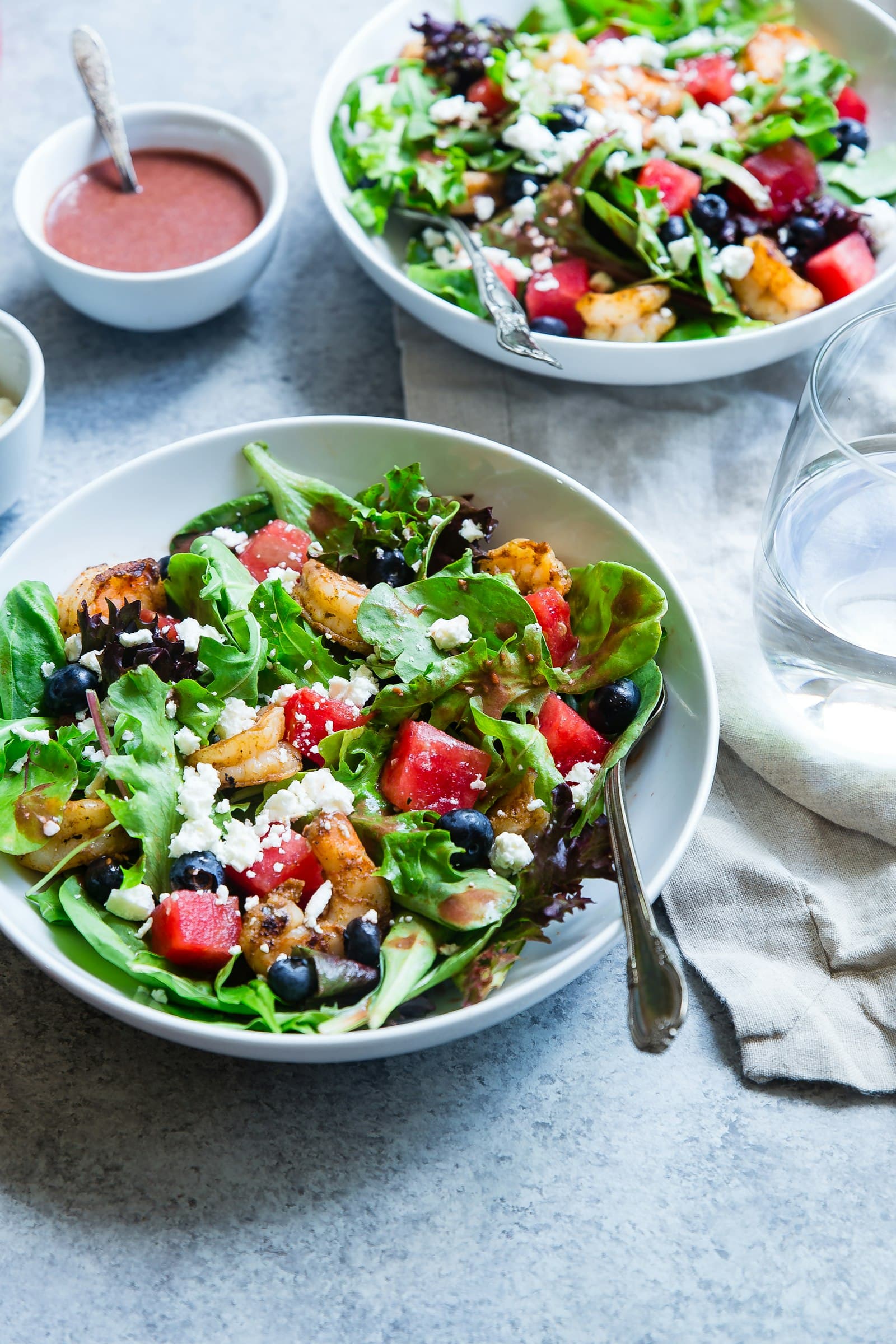
Many people start tracking food by watching calories, protein, carbohydrates, and fat. That is a useful foundation, but fiber is another number worth noticing. Fiber-rich foods can bring volume, texture, and nutrients to meals, and tracking it alongside calories and macros helps you see whether your diet is built mostly from snacks and drinks or from a wider range of foods.
Fiber is not a target you need to hit perfectly every day. It is a trend to build gradually. The U.S. Food and Drug Administration’s Nutrition Facts label uses a Daily Value of 28 grams based on a 2,000-calorie diet, while broader dietary guidance often uses about 14 grams per 1,000 calories as a planning reference. Individual needs vary. (See the FDA fiber label guidance.)
This guide shows how to track fiber without turning every meal into an accounting exercise.
What is dietary fiber?
Dietary fiber is the part of plant foods that is not fully digested in the same way as many other carbohydrates. It includes different types with different physical and fermentation properties. You may hear people describe soluble and insoluble fiber, but most whole foods contain a mixture rather than just one type.
Fruit, vegetables, beans, lentils, whole grains, nuts, seeds, and some fortified foods can all contribute. A varied diet is usually more useful than searching for one “best” fiber food.
Fiber also affects how you track carbohydrates. On a nutrition label, total carbohydrate includes fiber. Some people subtract fiber to estimate “net carbs,” but that approach can vary by product and is not necessary for everyone. If you track macros, use the system that matches your goal and be consistent with it.
How much fiber should you track?
Use a range rather than a single perfect number. A simple reference is 14 grams of fiber per 1,000 calories, so a 2,000-calorie day would correspond to roughly 28 grams. A lower-calorie day does not automatically mean you need a tiny amount, and a higher-calorie day may naturally contain more.
Your tolerance matters. A person who currently eats very little fiber may feel uncomfortable if they jump to a high target overnight. Increase the amount gradually, drink fluids, and pay attention to how your body responds. If you have a digestive condition or have been told to follow a specific fiber plan, ask a clinician or registered dietitian before making a large change.
High-fiber foods to add to your log
The numbers below are approximate and depend on variety, preparation, and serving size. Use the USDA FoodData Central database or a package label for the food you actually eat.
| Food | Easy serving idea | Why it helps |
|---|---|---|
| Raspberries or blackberries | Add to yogurt or oats | Fruit plus a concentrated fiber contribution |
| Apple or pear with skin | Pack as a snack | Portable whole fruit with crunch |
| Lentils | Add to soup, curry, or a grain bowl | Fiber plus plant protein |
| Black, kidney, or chickpea beans | Add to salads or wraps | Fiber, protein, and carbohydrate |
| Oats | Make overnight oats or porridge | Whole grain that is easy to portion |
| Chia or ground flax | Stir into yogurt or a smoothie | Small serving with fiber and fat |
| Broccoli, peas, or Brussels sprouts | Roast or steam at dinner | Vegetable volume and texture |
| Avocado | Use a measured portion on toast | Fiber with unsaturated fat |
| Air-popped popcorn | Use as a snack | Large volume when prepared without heavy toppings |
The goal is not to add every item in one day. Add one or two familiar foods to meals you already eat, then increase variety over time.
How to track fiber in a food log
Use the label when a label exists
For packaged cereal, bread, wraps, bars, frozen meals, and snacks, the label is the best source for that exact product. Enter the serving size you ate and check whether the app entry matches the package. Products that look similar can differ meaningfully in fiber.
Use the cooked or prepared form
Dry oats and cooked oatmeal do not weigh the same. Dried beans and cooked beans are different entries. Raw vegetables and vegetables cooked in oil are also not identical. Log the state that matches what is on your plate.
Track recipes by ingredient
If you make a soup, curry, chili, or baked dish, enter the ingredients and record how many servings the recipe produced. This gives you a repeatable estimate. If the portion sizes change, update the servings instead of assuming every bowl is identical.
Watch the serving size
A label may show fiber per 30 grams while you eat 50 grams. That is not a problem; it simply means the serving needs to be multiplied. Use the same serving size when you record fiber alongside your calories and macros so the daily total stays meaningful.
How to increase fiber without upsetting your stomach
A gradual increase is usually easier than adding a huge salad, several bean servings, and a fiber supplement overnight. Try one change at a time:
- Add fruit to breakfast or a snack.
- Replace some refined grains with oats, whole-grain bread, brown rice, or another whole-grain option.
- Add beans or lentils to one meal a few days per week.
- Put one extra vegetable on lunch or dinner plates.
- Increase the portion only when your current intake feels comfortable.
Fiber absorbs water and adds bulk, so fluids and regular movement can support comfort. If you experience persistent pain, severe constipation, diarrhea, blood in stool, or a major change in digestion, seek medical advice instead of trying to solve the problem through more fiber alone.
Fiber, calories, and macros can work together
High-fiber foods do not automatically make a meal low-calorie. Avocado, nuts, seeds, whole-grain foods, and beans can be nutrient-dense while still contributing a meaningful amount of energy. That is not a reason to avoid them. It is a reason to include the portions in your plan.
A balanced meal might include:
- a protein source such as eggs, chicken, tofu, fish, Greek yogurt, or beans;
- a high-fiber carbohydrate such as oats, potatoes, fruit, lentils, or whole-grain bread;
- vegetables for volume and micronutrients; and
- a measured fat such as avocado, olive oil, nuts, or seeds.
When a meal contains fiber and protein, it may feel more substantial than a meal made mostly from refined carbohydrates or liquid calories. Notice what satisfies you rather than assuming one macro is responsible for the whole experience.
Fiber tracking for weight loss
Tracking fiber can be useful during a calorie deficit because it draws attention to foods that add texture and volume. Start by making meals more complete, not by trying to eat the fewest possible calories. A bowl of vegetables with a tiny amount of protein may look large but leave you hungry; add enough protein, carbohydrate, and fat to make it a real meal.
If you are using Lilbite to track food, check the food database, compare similar entries, and record recipes consistently. You can also read the guide to how to read a nutrition label for a refresher on serving sizes and Daily Values.
Do fiber supplements count?
Supplements can provide fiber, but they do not replace the variety of whole foods in a balanced diet. If you consider a supplement, check the product directions, introduce it slowly, and ask a healthcare professional if you take medication or have a gastrointestinal condition. Some supplements can interact with medication timing or change digestive symptoms.
Food-first does not have to mean perfect. Frozen vegetables, canned beans rinsed under water, oats, fruit, and pre-cut produce are practical options. The best fiber routine is one that fits your budget, cooking time, culture, and preferences.
Frequently Asked Questions
How do I track fiber if my app only shows calories and macros?
Use the fiber line on the nutrition label or a reliable food database, then add the amount to a simple note or spreadsheet. Lilbite currently focuses its food entries on calories and macronutrients, so keep fiber in a separate note or use a tracker that exposes a fiber field. Recipe entries can help when you eat the same meal repeatedly.
Is 30 grams of fiber a day too much?
Thirty grams is within a common planning range for many adults, but the right amount depends on your calorie intake, tolerance, and health needs. If your current intake is low, increase gradually instead of jumping to 30 grams immediately. Persistent digestive symptoms deserve professional advice.
Does fiber cancel out carbohydrate?
Fiber is included in total carbohydrate on most labels, but it is not handled identically to digestible carbohydrate. Whether you subtract it depends on your tracking approach and goal. If you are not following a specific low-carbohydrate protocol, simply track total carbohydrate and fiber as separate fields.
What foods have the most fiber?
Beans, lentils, berries, some whole grains, chia, flax, vegetables, and fruit with the skin are useful sources. The highest number per serving is not automatically the best choice. Variety and gradual increases are usually easier to maintain than relying on one food.
Can more fiber help with weight loss?
Fiber-rich foods can make meals more filling and can replace lower-fiber options, but fiber alone does not guarantee weight loss. Your overall calorie intake, food choices, activity, sleep, and consistency still matter. Use fiber as one part of a balanced plan.
Tracking fiber alongside calories and macros gives you a fuller picture of your eating pattern. Add it gradually, choose foods you genuinely enjoy, and use a consistent serving method. When you want one place to log calories and macros, try the Lilbite food log and keep fiber in the separate note described above.