Loading...
Weight ManagementPublished 2026-08-09
High-Volume, Low-Calorie Foods: 25 Filling Choices for Weight Loss
L
Lilbite Team
Lilbite editorial team
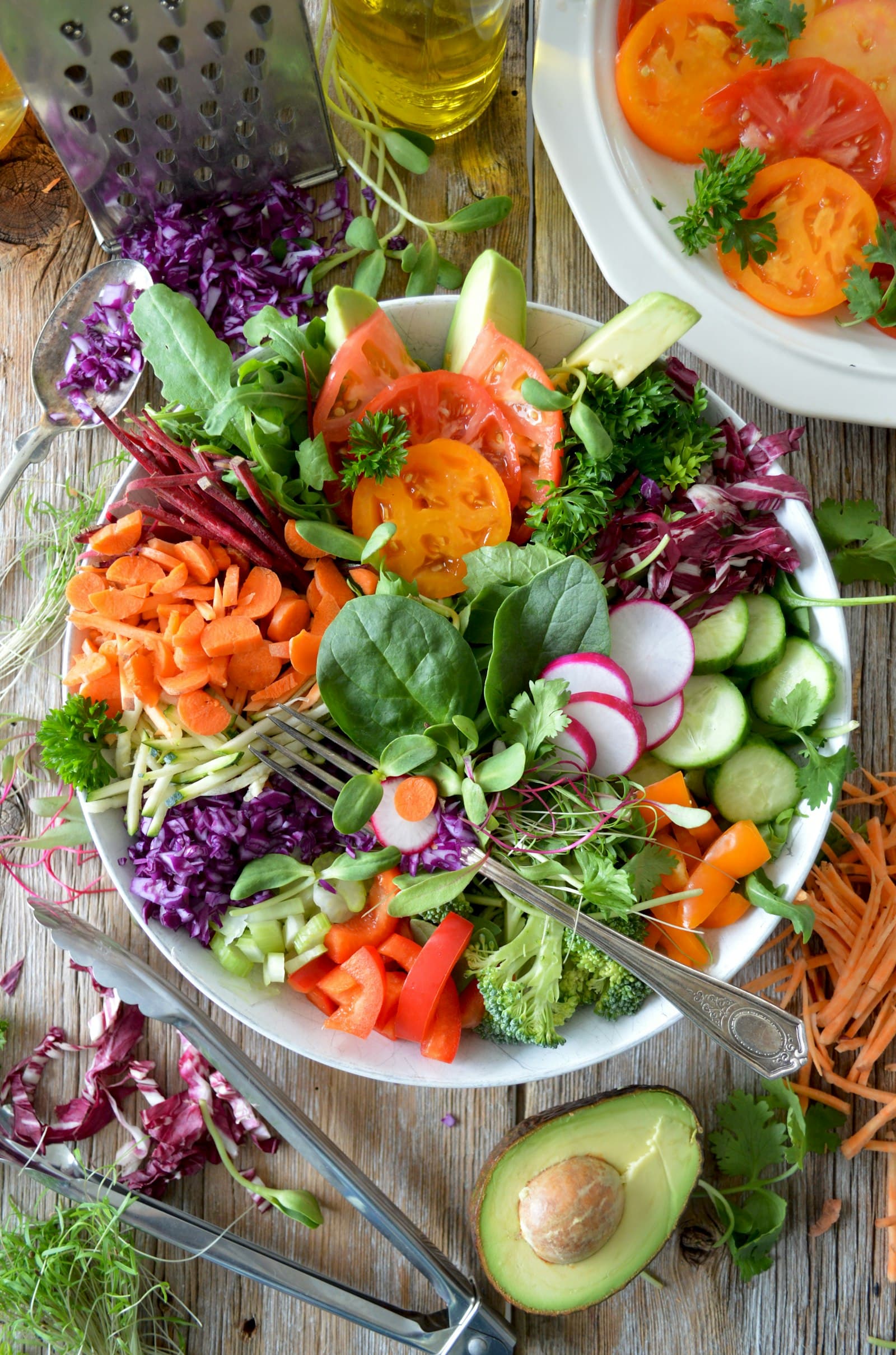
The hardest part of a calorie deficit is often not knowing what to eat. It is feeling like your plate has become noticeably smaller while your appetite has stayed exactly the same. High-volume, low-calorie foods help solve that problem by giving you generous portions for relatively few calories.
Volume eating is not a special fat-loss mechanism. Weight changes still depend on your overall energy intake, and a food can be nutritious without being low in calories. The useful idea is simpler: combine foods with a lot of water, fiber, or lean protein with the foods you already enjoy, so meals feel substantial and are easier to repeat.
The examples below are broad food groups rather than fixed calorie prescriptions. Variety, serving size, cooking method, and added ingredients all matter. Check a package label or the Lilbite food database when you need a more precise entry.
What makes a food high-volume and low-calorie?
A high-volume food takes up a lot of space on the plate relative to the energy it provides. Water-rich vegetables and fruit are classic examples. Leafy greens, cucumber, tomatoes, mushrooms, berries, melon, and oranges contain a great deal of water, so a normal serving can look generous without using much of your daily calorie budget.
Fiber adds another useful quality. It can slow the pace of eating and contributes to the physical bulk of a meal. Beans, lentils, oats, fruit, vegetables, and whole grains can all contribute fiber, although they are not necessarily “free” foods. A cup of cooked beans has more calories than a bowl of leafy greens, but it also adds protein, carbohydrate, and minerals that can make a meal more complete.
Lean protein is helpful for a different reason: it provides protein without as much fat as many higher-fat alternatives. Chicken breast, white fish, shrimp, low-fat Greek yogurt, cottage cheese, tofu, and egg whites can make a large salad, bowl, or wrap more satisfying.
High-volume, low-calorie foods to try
Use this list as a menu of building blocks, not as a list of foods you must eat.
Non-starchy vegetables
These are easy ways to add color, crunch, and volume to lunch and dinner:
- leafy greens such as romaine, spinach, and spring mix;
- cucumber and zucchini;
- mushrooms;
- tomatoes and bell peppers;
- cauliflower and broccoli;
- cabbage and shredded slaw;
- green beans;
- asparagus;
- celery; and
- carrots.
Most of these foods are relatively low in calories when steamed, roasted, or eaten raw. Oil, cheese, creamy dressing, and sugary sauces can change the total quickly, so log the preparation as well as the vegetable.
Fruit with plenty of water
Fruit can fit comfortably in a weight-management plan while adding sweetness and fiber:
- strawberries, raspberries, and blackberries;
- watermelon and cantaloupe;
- oranges and grapefruit;
- apples and pears;
- peaches and plums; and
- kiwi.
Whole fruit can be more filling than juice for many people because it takes longer to eat and keeps its fiber. A banana, apple, or orange is not “too high in sugar” by default; it is simply a food whose portion and carbohydrate content can be included in your day.
Lean proteins
Protein can turn a plate of vegetables into a meal that lasts longer:
- skinless chicken breast;
- turkey breast;
- cod, tilapia, or other lean fish;
- shrimp;
- tuna packed in water;
- nonfat or low-fat Greek yogurt;
- cottage cheese;
- tofu or tempeh; and
- eggs with additional egg whites.
The right option depends on taste, budget, dietary pattern, and availability. Plant proteins such as tofu, beans, lentils, and edamame can be especially useful because they contribute both protein and fiber.
Foods that add staying power
Some foods are more calorie-dense but still useful in controlled portions:
- potatoes and sweet potatoes;
- oats;
- beans and lentils;
- air-popped popcorn; and
- whole-grain bread or wraps.
These foods are not meant to be avoided. A baked potato paired with lean protein and vegetables can be more satisfying than a much smaller meal made only from snack foods. The goal is to use portions that support your calorie target while keeping the meal enjoyable.
The USDA FoodData Central database is a good reference when you want to compare preparation methods or serving sizes. For packaged foods, use the label because brand recipes vary.
How to build a filling low-calorie meal
Start with a protein portion
Choose a protein source first, then build around it. A practical portion might be a palm-sized serving of chicken or fish, a bowl of Greek yogurt, a tofu scramble, or beans added to a grain bowl. Your exact target depends on your daily needs; the Lilbite protein calculator can give you a starting estimate.
Add two or three produce options
Combine different textures so the meal feels more interesting. Try roasted broccoli with tomatoes and cucumber, or sautéed mushrooms with peppers and a crunchy slaw. Variety makes a plate feel abundant without requiring large amounts of cheese, oil, or creamy sauces.
Include a measured carbohydrate
Potatoes, rice, oats, beans, fruit, pasta, and bread can all fit into a calorie deficit. Measure the food in the state you log it: dry rice and cooked rice have very different weights, and a restaurant portion may include oil that is not obvious from the name of the dish.
Finish with flavor
Lemon juice, vinegar, salsa, herbs, spices, mustard, chili, and pickled vegetables can add intensity with relatively few calories. If you use oil, nuts, seeds, tahini, or avocado, keep them in the meal and measure them rather than pretending they do not count.
Three simple meal formulas
The volume bowl
Use a large base of greens or cooked vegetables, add lean protein, then include a small-to-moderate portion of rice, potatoes, beans, or another carbohydrate. Finish with salsa, yogurt-based dressing, or a measured vinaigrette. You get color, crunch, protein, and a clear way to adjust the calories.
The high-volume soup
Build soup with broth, tomatoes, onions, carrots, cabbage, mushrooms, and a protein such as chicken, lentils, beans, or tofu. Soup can be a useful format because the liquid and vegetables increase the physical size of the meal. Watch restaurant soups and creamy soups, which can contain more oil, cream, or sodium than expected.
The snack plate
Pair a protein such as cottage cheese, Greek yogurt, boiled eggs, or tuna with fruit and crunchy vegetables. Add a measured serving of crackers, toast, or popcorn if you need more carbohydrate. This works for lunch, an afternoon snack, or a quick meal when cooking feels like too much work.
High-volume eating without extreme restriction
The phrase “low calorie” can tempt people to push intake too low. That usually makes the plan harder to sustain and can leave you tired, preoccupied with food, or unable to train well. A filling meal still needs enough total energy, protein, essential fats, and carbohydrates for your body and schedule.
Use your calorie-deficit calculator as a starting point, not a challenge to see how little you can eat. If you have a medical condition, take medication affected by food intake, are pregnant, or have a history of disordered eating, speak with a qualified professional before making a significant change.
It can also help to separate hunger from the urge to keep eating after a meal. Eat slowly enough to notice satisfaction, give the meal time to settle, and keep easy high-volume options available. A bowl of fruit, raw vegetables with yogurt dip, or a portion of air-popped popcorn can make the gap between meals easier without requiring a complicated recipe.
How to track portions accurately
High-volume foods are often forgiving, but preparation still matters. A plain potato and a potato cooked with several tablespoons of oil do not have the same energy. A salad can be light or substantial depending on cheese, nuts, dressing, croutons, and protein.
For a week, pay attention to the ingredients most likely to be missed:
- cooking oils and butter;
- dressings, sauces, and spreads;
- sweetened drinks;
- handfuls of nuts or trail mix; and
- restaurant portions.
Logging these items separately can teach you more than trying to make every cucumber slice perfectly precise. Lilbite lets you search foods, compare nutrition, and keep a clearer record of the whole meal.
Frequently Asked Questions
What are the best high-volume foods for weight loss?
Start with foods that combine water, fiber, or lean protein: vegetables, whole fruit, potatoes, beans, lentils, Greek yogurt, lean fish, chicken, tofu, and broth-based soups. The best choices are the ones you enjoy enough to eat repeatedly and that fit your dietary needs and total calorie target.
Are high-volume foods unlimited?
No food is literally unlimited. Even low-calorie foods contribute energy, and toppings or cooking fats can change the total. High-volume choices are useful because they make a reasonable calorie target feel more generous; they are not a way to bypass your body’s overall energy needs.
Can I eat high-volume foods and still gain weight?
Yes. A calorie surplus can come from large amounts of any food, including foods that are nutritious or low in energy density. Nuts, oils, dressings, smoothies, and large portions of starch can raise the total quickly. Look at your full day and week rather than labeling one food as responsible.
Do I need to cut out rice, bread, or potatoes?
No. These foods can provide useful carbohydrate and make meals satisfying. The practical approach is to choose a portion that fits your target, pair it with protein and produce, and log it in the cooked or prepared form that matches what you ate.
High-volume, low-calorie foods work best as part of a flexible pattern: plenty of produce, enough protein, satisfying carbohydrates, measured fats, and room for foods you genuinely enjoy. Build one meal around that structure today, then use your food log to learn what keeps you full and consistent. For more ideas, explore Lilbite’s 500-calorie meal guide and food database.